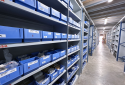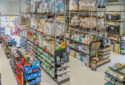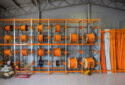


Warehouse organisation gets treated as a housekeeping job, something you do at the end of a shift with a broom. It isn't. A warehouse that isn't organised costs you in ways that show up on the P&L: orders that ship late, staff spending their day walking, stock that gets written off because nobody could find it, and forklift damage that comes from working around a layout that no longer suits the operation.
The good news is that most of it is fixable without moving buildings. Here's where to start.
1. Look Up Before You Look Elsewhere
Before you start pricing a bigger warehouse, work out what your current one could actually hold.
Most warehouses store well below their available height, usually because the racking was specified for the stock they had years ago. Ask two questions. How high can you go before you hit sprinklers or the roof line, and how much of your floor is currently aisle rather than storage.
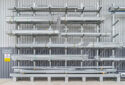
Adding height with pallet racking, or adding a second level with a mezzanine floor, is nearly always cheaper than a new lease. Changing racking type is the other lever: moving bulk stock from selective to a denser system cuts aisle count and can add a surprising number of pallet positions to the same slab.
Both are durable systems that will run for years with correct installation and proper maintenance. The point is to know what the building can do before you commit to leaving it.
2. Ask the People Who Work the Floor
Your warehouse team knows things about the space that don't show up on a layout drawing. Which aisle everyone avoids. Which bay always gets hit. Which product line takes twice as long to pick as it should.
Set aside time for a proper conversation or put a form out, and ask what they'd change. Some of it will be things you'd never have considered, and most of it costs nothing to trial.
3. Make Housekeeping Someone's Job, Not Everyone's Intention
Basic housekeeping gets skipped because it's nobody's specific responsibility and there's always something more urgent. The result is predictable:
- Cluttered storage areas and shelves
- Blocked aisles, stairways and exits
- Flammable materials stored near sources of ignition
- Untidily piled and hard-to-pick inventory
- Obsolete stock taking up positions that earn nothing
Trips and falls, falls from height and being struck by falling objects remain among the most common warehouse injuries in Australia, and all three are reduced by a floor that's kept clear.
What works in practice: make housekeeping an explicit shared responsibility rather than an assumed one, provide bins, trays and shelving so tools have somewhere to go, check aisles and exits through the day rather than at knock-off, and block out time daily rather than running a panic clean-up after an incident.
The side benefit nobody expects is the stock and equipment that turns up once you start clearing properly.
4. Audit Regularly
An internal audit puts you in front of problems rather than behind them. It catches inconsistent processes, damaged racking and stock that's drifted from where it's meant to be.
On racking specifically, AS4084 expects a documented inspection routine once a system is in service. Run a visual check as part of normal operations, a documented internal inspection monthly or quarterly depending on how busy the site is, and a formal inspection at least annually or after any significant impact. Damaged uprights are the leading cause of rack collapse and the failure is progressive, so a bent frame can stand for months before it goes.
Audits feel tedious while you're doing them. They're considerably less work than an incident report.
5. Train, and Keep Training
Systems only work if everyone knows them. That covers where stock goes, how damage gets reported, and who to tell when a rack takes a hit.
Treat it as ongoing rather than an induction item. Legislation changes, layouts change, and the people who were there when the system was designed move on.
Start With the Space
Of the five, the first one is where the money is. Everything else improves how you use the space you've got. Racking and mezzanine design changes how much space there is.
We do a free measure and quote, and part of that is telling you what your building could hold rather than just pricing what you asked for. If relocating is on the table, that's a comparison worth having before you sign a lease. Call 1300 551 281.