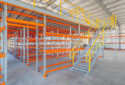

Introduction
If you are planning a warehouse fit-out, installing pallet racking, or adding a mezzanine floor, you have likely come across the term FRL. But what is an FRL, and why does it matter for your project?
FRL stands for Fire Resistance Level. It is a measurement used in Australia to determine how long a building element can withstand fire under standard testing conditions. Understanding Fire Resistance Levels is essential for compliance with the National Construction Code (NCC), and it directly impacts safety, approvals, design decisions, and overall project cost.
In this guide, we break down what an FRL is, how it is measured, where it applies in warehouses and industrial buildings, and what business owners need to know before starting a project.
What Does FRL Mean?
A Fire Resistance Level is expressed as three numbers, such as:
90 / 90 / 90
Each number represents minutes and refers to three separate performance criteria:
Structural Adequacy – How long the element can continue to carry its load during a fire without collapsing.
Integrity – How long the element can prevent flames and hot gases from passing through.
Insulation – How long the element can limit the temperature rise on the non-fire-exposed side.
For example, an FRL of 120 / 120 / 120 means the building element can maintain structural adequacy, integrity, and insulation for 120 minutes under standard fire test conditions.
Why Fire Resistance Levels Matter in Warehouses
Fire Resistance Levels are particularly important in industrial and warehouse environments where:
• High storage loads increase fire risk
• Mezzanine floors alter building structure
• Tenancies are divided by fire separation walls
• Boundary walls sit close to neighbouring properties
• Structural steel may require fire protection
If you are adding a mezzanine floor, upgrading storage height, or subdividing your warehouse, your FRL requirements may change. This can affect steel selection, wall systems, fire-rated doors, penetrations, and compliance documentation.
Understanding warehouse fire rating requirements early can prevent costly redesigns later.
How FRL is Determined Under the NCC
FRL requirements are defined under the National Construction Code (NCC) and are influenced by:
• Building classification
• Rise in storeys
• Effective height
• Fire compartment size
• Proximity to property boundaries
• Construction type
A building certifier or fire engineer typically determines the required Fire Resistance Level based on these factors. If you are relocating to a new facility or planning structural changes, early consultation is critical.
FRL and Mezzanine Floors
One of the most common questions in warehouse design is whether a mezzanine floor requires a fire rating.
The answer depends on how the mezzanine interacts with:
• Fire separation requirements
• Egress pathways
• Structural load
• Overall building classification
In some cases, exposed steel columns or beams may require fire protection. In other cases, depending on classification and design, they may not. There is no universal rule, which is why professional advice is essential.
Common Misunderstandings About Fire Resistance Levels
FRL does not mean a building is fireproof. It simply measures how long a building element can perform during a standardised fire test.
FRL does not replace sprinklers, smoke detection systems, or emergency planning. It is one component of broader fire safety compliance.
FRL does not automatically apply to all walls or structural elements. Only specific building elements require a fire rating based on NCC provisions.
How FRL Impacts Project Cost and Design
Fire-rated construction can influence:
- Wall thickness and material choice
- Structural steel treatment
- Fire-rated doors and hardware
- Service penetrations and fire collars
- Approval timelines
Ignoring FRL requirements in early planning can result in budget increases and approval delays. Integrating fire compliance into the design phase ensures smoother project delivery.
Fire Resistance Level Australia and Warehouse Compliance
For businesses searching for information about Fire Resistance Level Australia, warehouse fire rating requirements, or NCC fire compliance, the key takeaway is this:
FRL is not just a technical code reference. It is a critical design consideration that affects safety, compliance, and long-term operational flexibility.
If you are planning a warehouse relocation, installing pallet racking, or adding a mezzanine, understanding Fire Resistance Levels early will help you:
• Avoid compliance issues
• Reduce redesign risk
• Improve approval timelines
• Future-proof your facility .
Final Thoughts
Fire Resistance Levels form a core part of Australian building compliance. Whether you are upgrading an existing warehouse or planning a new industrial fit-out, ensuring your project aligns with NCC fire rating requirements is essential.
Before committing to structural changes or internal layouts, confirm your FRL obligations with a qualified certifier or fire engineer. Taking a proactive approach protects your investment and supports safe, scalable operations.